Systems are easy to draw and hard to live in. Here, five people from Chitradurga describe the same agricultural year from five different positions in it — the grower, the aggregator, the labourer, the one chasing water, and the one deciding whether to stay.
Illustrative composites — for now
The five voices below are composites, drawn from the documented realities of farming in this district — they are not real, named individuals. They stand in as placeholders for real recorded interviews, which will replace them one by one. Every rupee figure is illustrative; but every system they describe — the line of deductions at the mandi gate, the attendance app, the borewell that outruns the rain — is real, and linked to its source. Help us record the real ones ↓
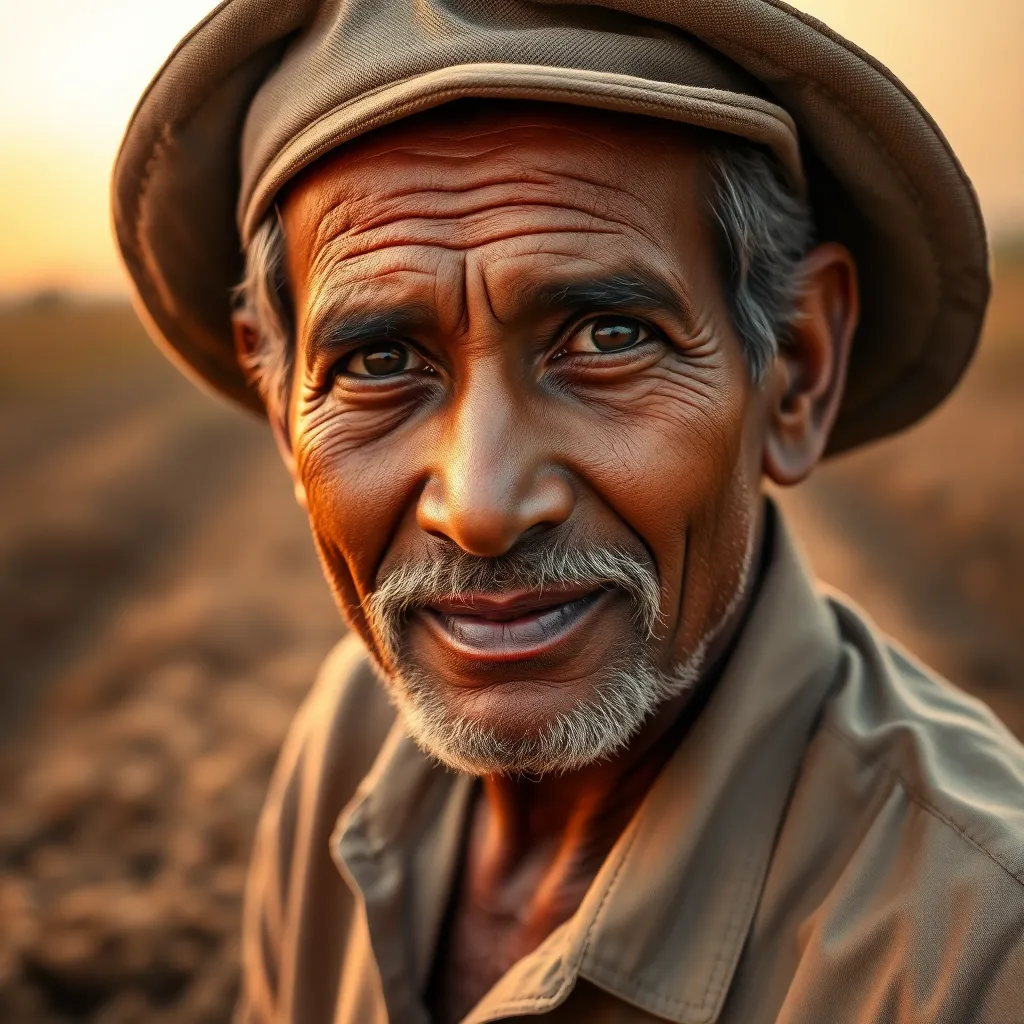
The groundnut grower
Groundnut, ~2 ha · Challakere taluk
The year my crop cost more to grow than it sold for, I still paid every cut at the gate before I saw a single rupee.
Groundnut is what this soil gives, so groundnut is what I grow. But the price is not mine to decide. I load the trailer before dawn, reach the mandi, take a gate slip, and wait for my lot to be called. Then comes the line of deductions — the agent’s commission, the market fee, the weighment, the hamali who unloads. By the time the slip is written, the number on it is smaller than the number on the board.
And payment does not come that day; sometimes it comes the next week. The year prices fell below what I had spent on seed, fertiliser and diesel, none of that mattered — the cuts were taken all the same. What I want is simple: to know the price in three mandis before I load, and to be paid the day I sell.
₹2,200 → ₹1,800
my cost a quintal, against what it sold for that year (illustrative)
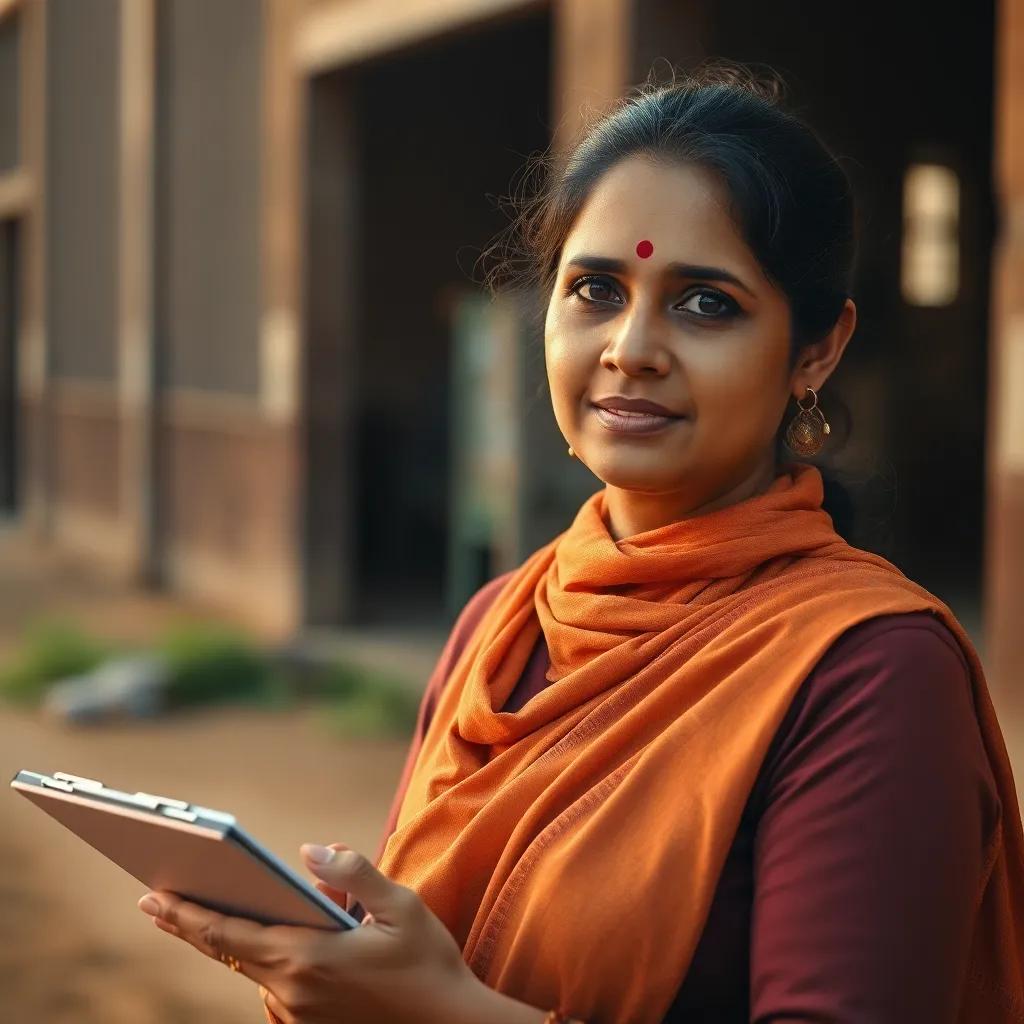
The FPO secretary
Secretary of a farmer producer organisation
Aggregation is the whole game — but the paperwork still defeats the members who need it most.
Alone, a two-acre farmer has no weight. Together, three hundred of us can clean, grade, store and sell as one — that is why the FPO exists. Getting onto e-NAM opened doors: a wider set of buyers, an electronic auction, payment into the account.
But every door has a form. KYC, bank seeding, the assaying that buyers trust — each step loses a few members along the way, usually the oldest and least lettered, the ones the collective was meant to carry. We spend as much time on documentation as on trade. Give me one onboarding that works on a basic phone, in Kannada, and I will bring you the members the portals keep leaving behind.
≈340 / 60
members we onboarded; roughly this many still stuck on KYC (illustrative)
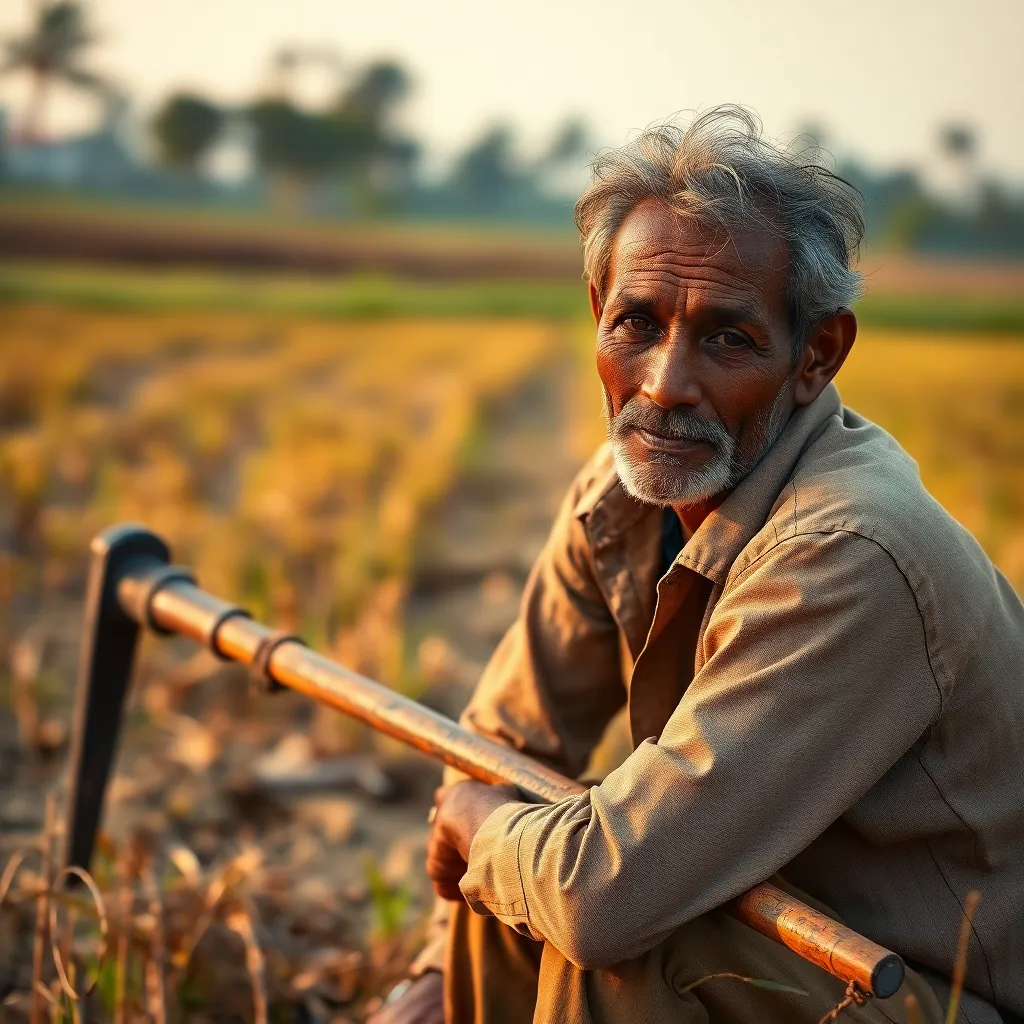
The woman agricultural labourer
Farm labourer · rural job-guarantee worker
On a worksite my attendance is a photo on someone else’s phone. At home, that phone is not mine.
I work where there is work — weeding and harvest in the season, the guarantee-work worksite when there is none. The guaranteed-work wage is a little more than a farm-labour day, and it comes to a bank account, which matters. But my attendance is now marked on an app, by a photo taken twice a day on a smartphone — and the smartphone in our house belongs to my husband.
So even the wage I earn with my own hands is recorded through a device I do not hold. Count me as a farmer and I might get a say. Count me only as the hands, and I stay invisible — even in the systems built to help me.
≈₹349
the rural job-guarantee day-wage in Karnataka — a little above the farm-labour rate
Editorial note · The scheme she means — MGNREGA — is being replaced by VB-GRaM-G (the Viksit Bharat – Guarantee for Rozgar and Ajeevika Mission, Gramin) from 1 July 2026, which lifts the guarantee from 100 to 125 days a year.
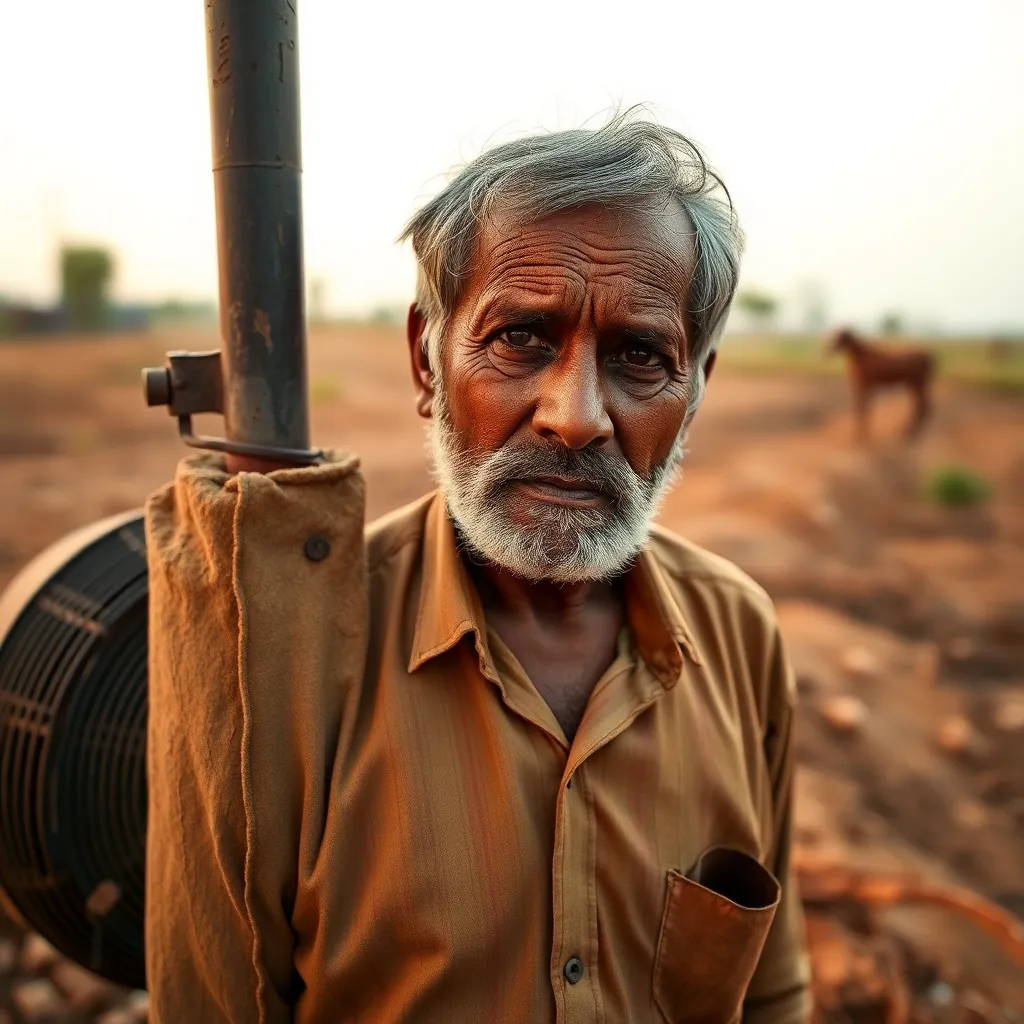
The borewell farmer
Chasing water · shifting from groundnut to onion
I have spent more chasing water underground than on everything I planted above it.
When the rain stopped being dependable, I did what everyone here did — I drilled. The first bore gave water for a few years, then less, then nothing. The second was dry from the day it was sunk. The third, deeper still, runs for an hour and then rests.
With drip and the pond subsidy I have learned to spend each drop carefully, and where the water allows I have moved from rainfed groundnut to onion, even a little arecanut — crops that pay more, if they get their water. But the ledger underground does not lie: I am taking out more than the sky puts back, and I know it cannot last.
₹1.2 lakh
spent on three borewells; two of them dry (illustrative)

The young returnee
25, came back from Bengaluru
I came back for the land. To stay, I need the land to make sense as a business.
I spent three years in a Bengaluru office and came home because my parents could not work the land alone. My friends think I am mad. Maybe — I earn a fraction of my city salary now. But I can see what would change the maths.
I already check mandi prices on my phone before I decide where to sell; I want that, but trustworthy, for every market within a day’s drive. I want an advisory that knows my field, not a generic message. I want to plan the season as a business — what to grow, for whom, at what likely price — instead of guessing and hoping. Build that, and you keep people like me on the farm. Without it, the young keep leaving, and the land keeps ageing.
≈40%
of my city salary — the price of coming home (illustrative)
The capture kit
Help us replace these with real voices
This page is built to be unfinished on purpose. Each composite above is a slot waiting for a real person — a 60-to-90-second recording in Kannada, a portrait, a number in their own words. If you farm, labour, or run an FPO in Chitradurga, your account belongs here far more than a composite does.
Record
60–90 seconds on a phone, in Kannada, in their own words — answering one honest question about the year.
Consent, properly
Explained aloud in Kannada, signed, DPDP-conscious — name, photo and audio used only as permitted, withdrawable any time.
Download consent formSend it in
One real voice replaces one composite. We publish with the transcript and credit exactly as consented.
Share a voice →A blueprint is a drawing of the system. These are the people who have to live inside it.